Passwords alone no longer protect critical systems, sensitive patient data, and online accounts. In 2026, many organizations still rely solely on only a password, leaving them vulnerable to credential theft by cyber criminals. Multi-factor authentication (MFA) requires users to provide two or more verification methods—knowledge, possession, biometric data, or behavioral signals—dramatically enhancing security and ensuring only the user can gain access.
Over 80% of breaches investigated by SHELT’s SOC involved compromised passwords that MFA could have blocked. MFA enhances security by preventing 99.2% of account attacks and blocking 99% of hacks, yet nearly half of enterprises remain exposed. According to Verizon, 49% of data breaches involve stolen credentials. MFA reduces the risk of breaches from compromised passwords and stolen password reuse across multiple accounts.
MFA neutralizes phishing, brute force attacks, and credential stuffing by requiring multiple authentication methods. Regulators mandate MFA across GDPR, HIPAA, PCI DSS, PSD2, and NIS2. SHELT’s 24/7 SOC treats multi-factor authentication as a key component of modern cybersecurity defense.
True MFA combines multiple authentication factors from different categories:
SHELT’s advisory and risk consulting teams help organizations implement MFA methods tailored to their risk profile, protecting sensitive information and user accounts.
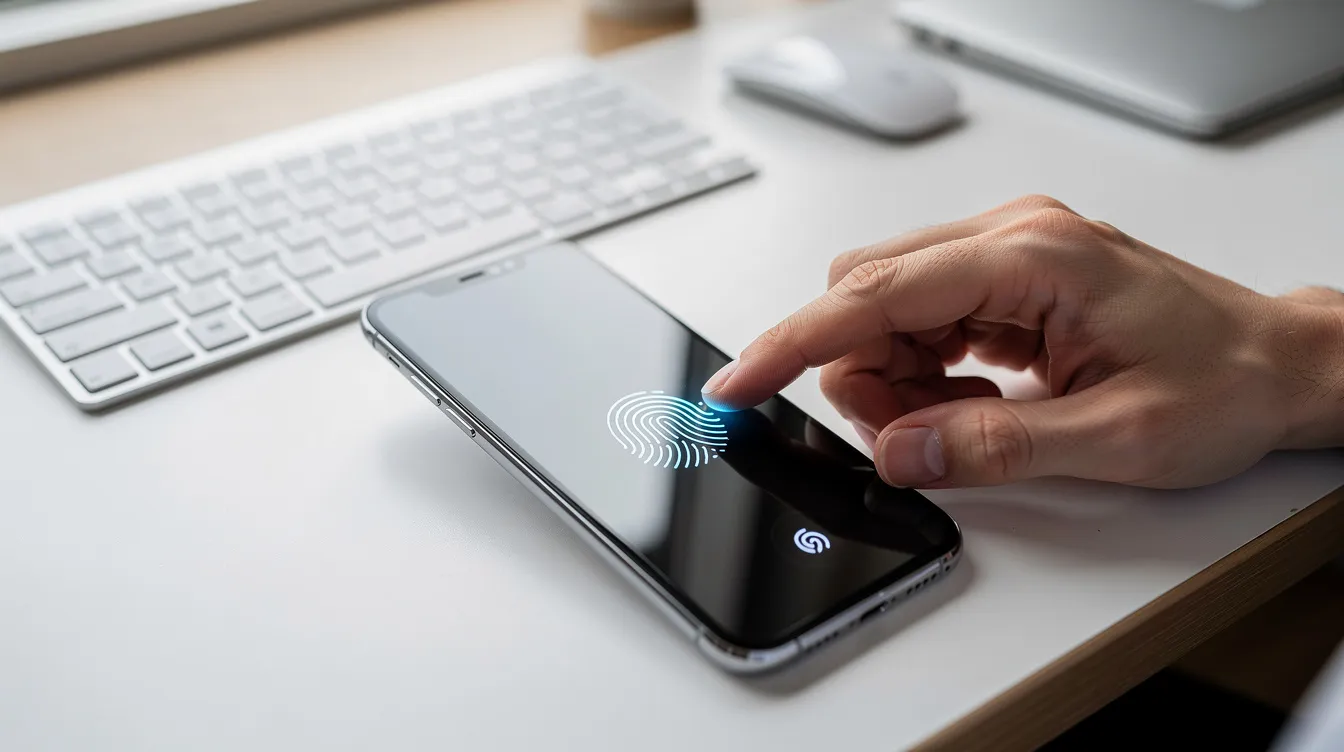
A finance employee logs into a cloud CRM from a new mobile device. After entering username and password—the first authentication factor—the system evaluates risk based on device reputation, login attempts, and location. Due to elevated risk, it requests a second authentication factor: a push notification on the authenticator app plus a fingerprint scan.
Only after passing these multiple forms of verification does the login process complete, ensuring only the user gains access. Adaptive MFA adjusts authentication based on risk, providing seamless access for trusted devices while blocking unauthorized users. SHELT’s SOC monitors suspicious login attempts and can block access in real time.

With 15 billion stolen credentials available on the dark web, cyber criminals exploit reused passwords via phishing, keyloggers, and brute force attacks. This leads to ransomware, fraud, and exfiltration of customer data. Multi-factor authentication acts as a robust security measure, blocking unauthorized access even when the same password is compromised.
MFA is mandatory under many regulations including GDPR, HIPAA, PCI DSS, PSD2, and NIS2. Organizations face fines for non-compliance. SHELT assists businesses in meeting compliance standards by implementing MFA that protects sensitive patient data, customer data, and critical systems, providing audit-ready documentation and risk-based authentication policies.
MFA reduces IT helpdesk calls by 20–40% by minimizing password reset requests. It builds user trust by demonstrating commitment to data protection and secures remote workforce access. MFA integrates with single sign-on (SSO), zero trust network access, and API security gateways, enabling seamless user convenience while protecting multiple accounts.

Challenges include legacy system compatibility, user convenience, and coverage gaps. Push notification fatigue and device loss can reduce adoption. SHELT’s MSSP services conduct readiness assessments, pilot programs, user support, and continuous monitoring to ensure effective MFA implementation and user compliance.
SHELT provides end-to-end MFA implementation support, including architecture design, vendor selection, rollout, and 24/7 SOC monitoring.
Adaptive MFA uses artificial intelligence and machine learning to analyze multiple risk factors such as login attempts, geolocation, device reputation, and time of access. It dynamically adjusts authentication requirements, requesting a second authentication factor only when necessary. SHELT integrates threat intelligence feeds to enrich adaptive MFA decisions, improving detection of cyber threats like brute force attacks and unauthorized access.

SHELT’s cybersecurity-as-a-service and MSSP offerings cover the full MFA lifecycle. Risk consulting teams assess current authentication methods, identify gaps, and map MFA requirements to regulatory frameworks. The 24/7 SOC correlates MFA logs with endpoint, cloud, and network telemetry to detect suspicious login attempts and block unauthorized users.
Penetration testing and red team exercises validate MFA effectiveness against advanced attacks, including session hijacking and MFA bypass techniques. SHELT’s REVA platform monitors exposed credentials and impersonation campaigns targeting executives and high-value users, feeding insights back into MFA policy refinement.
SHELT also provides ongoing support for device provisioning, token replacement, and user lifecycle management to maintain robust MFA coverage.
In 2026, multi-factor authentication is essential to protect sensitive patient data, customer data, and user accounts from cyber threats. Passwords alone are insufficient against sophisticated credential theft and brute force attacks. Adaptive MFA integrated with continuous monitoring and threat intelligence is the baseline for modern cybersecurity.
Prioritize high-risk access, adopt phishing-resistant authentication methods, and partner with SHELT to implement secure, compliant MFA solutions that enhance user convenience and protect your organization around the clock.
Evaluate your authentication process today. Contact SHELT to design and deploy MFA systems that safeguard your business and ensure regulatory compliance.
.png)
© SHELT 2023 Privacy Policy | Terms & Conditions


.png)
